Learn computer vision, ship faster
Practical guides, deployment playbooks, and a plain-English glossary — from teams who run vision in production every day.

From notebook to production: a CV deployment checklist
14 things to verify before a vision model touches a real line.
ComparisonDetection vs. segmentation: which do you need?
When boxes are enough — and when you need pixel masks.
DataHow much training data does detection really need?
Practical numbers for fine-tuning on your own classes.
OpsDetecting model drift in live video
Signals that your vision model is quietly degrading.

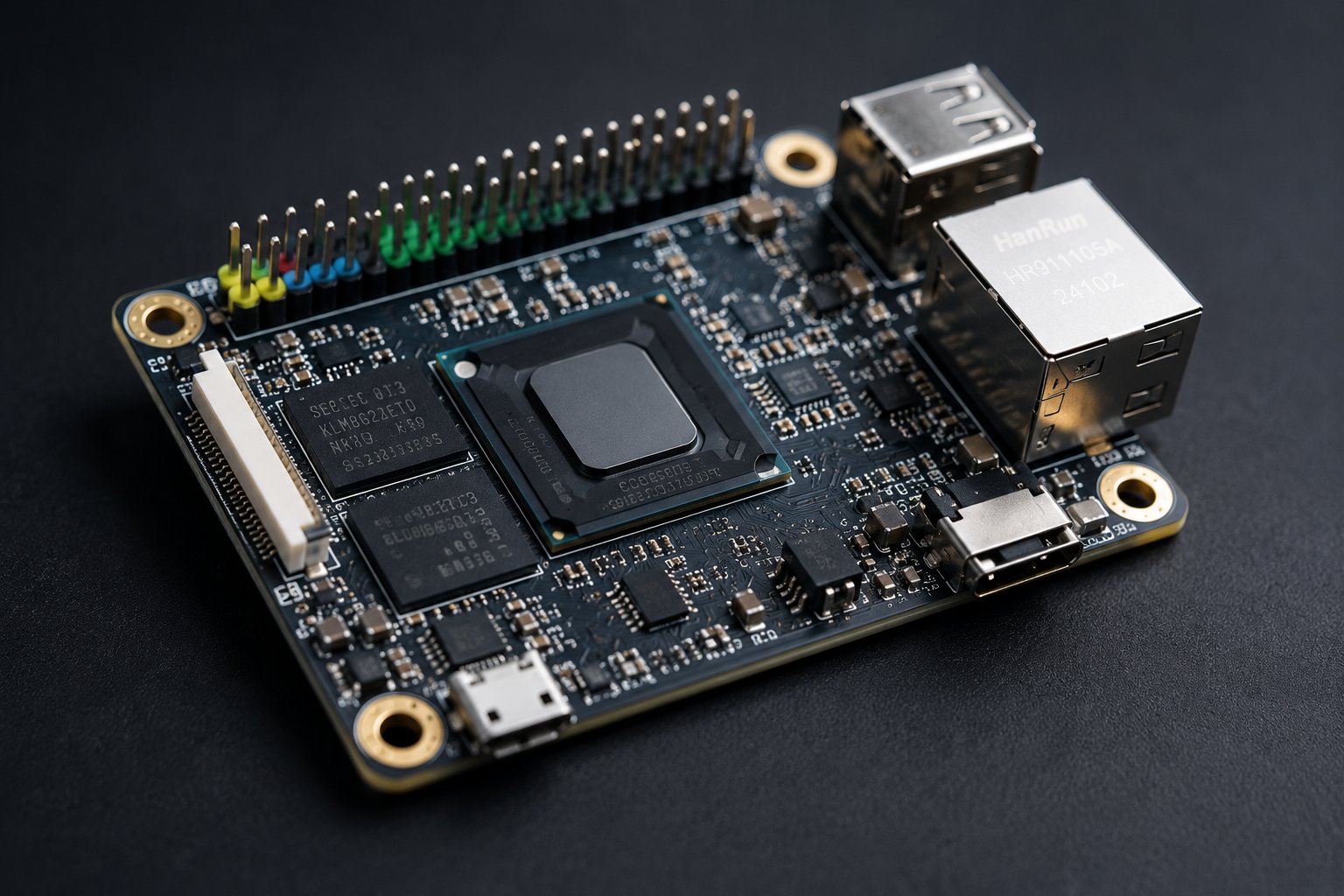




Computer vision, defined
Object Detection
Locating and classifying objects in an image with bounding boxes and confidence scores. The foundation of most vision applications.
Segmentation
Labeling an image at the pixel level — semantic (by class) or instance (per object) — for precise measurement and counting.
Inference
Running a trained model on new data to produce predictions. Inference latency is critical for real-time, edge-deployed vision.
Active Learning
A loop where the model flags uncertain examples for human review, then retrains on them — improving accuracy with minimal labeling.
Edge AI
Running models directly on devices near the camera, rather than in the cloud, for low latency, privacy, and offline operation.
OCR
Optical Character Recognition — converting text in images and video into machine-readable strings, from labels to handwriting.
The vision builders' newsletter
One practical CV deployment lesson, twice a month. No fluff.